

If you are shopping for 100 cotton kids jeans, the short answer is this: look for a pair that is truly all cotton, has enough body to feel like denim, and gives your child room to move without fighting the fabric all day.
That combination matters more than softness alone. Plenty of kids jeans look good on a hanger, but once they are washed hard, climbed in, and worn through real play, the weak points show up fast. If your goal is a pair that wears honestly and lasts longer, fiber content is only the first check.
Quick Checklist Before You Buy
- Confirm the label says 100% cotton.
- Look for a fit with room through the seat, thigh, and knee.
- Check that the denim feels substantial, not paper-thin.
- Favor simple construction over overly fussy design details.
- Ask whether the jean still makes sense after ten washes, not just on day one.
Why 100% Cotton Feels Different
Parents usually notice the difference right away. A good all-cotton jean has more structure than most stretch-heavy kids denim. It does not behave like leggings pretending to be jeans. It behaves like denim.
That can be a good thing for durability. When a pair relies less on elastic fibers and more on the fabric itself, you often get a jean that holds its shape better, wears in more honestly, and has a better shot at becoming a hand-me-down. It may soften with use, but it is not built around bounce-back stretch as the main selling point.
That does not mean stretch is always wrong. It just means that if you are shopping specifically for a more durable jean, 100% cotton is the clearest place to start.
What To Check On The Label First
Start with the simplest question: does the fiber line actually say 100% cotton?
If it says 98% cotton, 2% elastane, you are looking at stretch denim. If it includes polyester, that usually means the jean was engineered for a different feel entirely. There is nothing automatically terrible about that, but it is not the same category of product.
After fiber content, the most useful description terms are usually:
- non-stretch
- rigid denim
- 100% cotton
- relaxed fit
- roomy leg
Those phrases are not magic, but they tend to point you toward a jean built for wear instead of just instant softness.
Fit Matters As Much As Fiber
One of the easiest ways to ruin a durable fabric is to cut it too tight.
Very slim kids jeans put stress on the knees, seat, and crotch every time a child squats, climbs, or sits on the ground. A roomier cut is not only more comfortable. It is often better for the lifespan of the garment.
When you are comparing options, look for:
- ease through the seat and thigh
- enough rise for sitting and squatting comfortably
- a leg shape that works for movement
- an opening that is easy to get on and off
- room to roll a cuff if you want longer wear
That is part of why relaxed kids jeans often outperform tighter styles in real family life. They let the denim do its job without turning every movement into strain.
What Fabric Weight Tells You
You do not need to obsess over ounce counts, but weight does matter.
A light, thin denim may feel easier on day one, yet it often reads more like a costume version of jeans than the real thing. A heavier denim usually has more structure, better abrasion resistance, and a more honest hand.
For kids, the sweet spot is not the heaviest possible fabric. It is a fabric heavy enough to feel grounded, paired with a fit that still lets the child move freely. That is the combination that makes a jean feel sturdy without turning it into a daily argument.
Construction Details Worth Noticing
Once the fiber and fit look right, the next clues are smaller.
Useful things to check:
- seams that feel secure and lie flat
- closures that make sense for your child's age
- pockets that are functional, not decorative afterthoughts
- enough ease at the waist for quick dressing
- a finish that looks built to wear in, not fall apart
The best kids jeans are rarely the flashiest. They are the ones that still make sense after the novelty wears off.
When Stretch Still Makes Sense
It is worth saying plainly: not every child wants or needs rigid denim.
If your child is extremely sensitive to fabric feel, if you need the easiest possible pull-on fit, or if you are shopping for a very specific stage, stretch denim may still be the better tool. The goal is not denim purity. The goal is finding the pair that genuinely works.
But if you have been frustrated by saggy knees, thin fabric, or jeans that stop looking good almost immediately, moving toward 100% cotton is a very reasonable next step.
A Real-World Example: The Everyday Play Jean
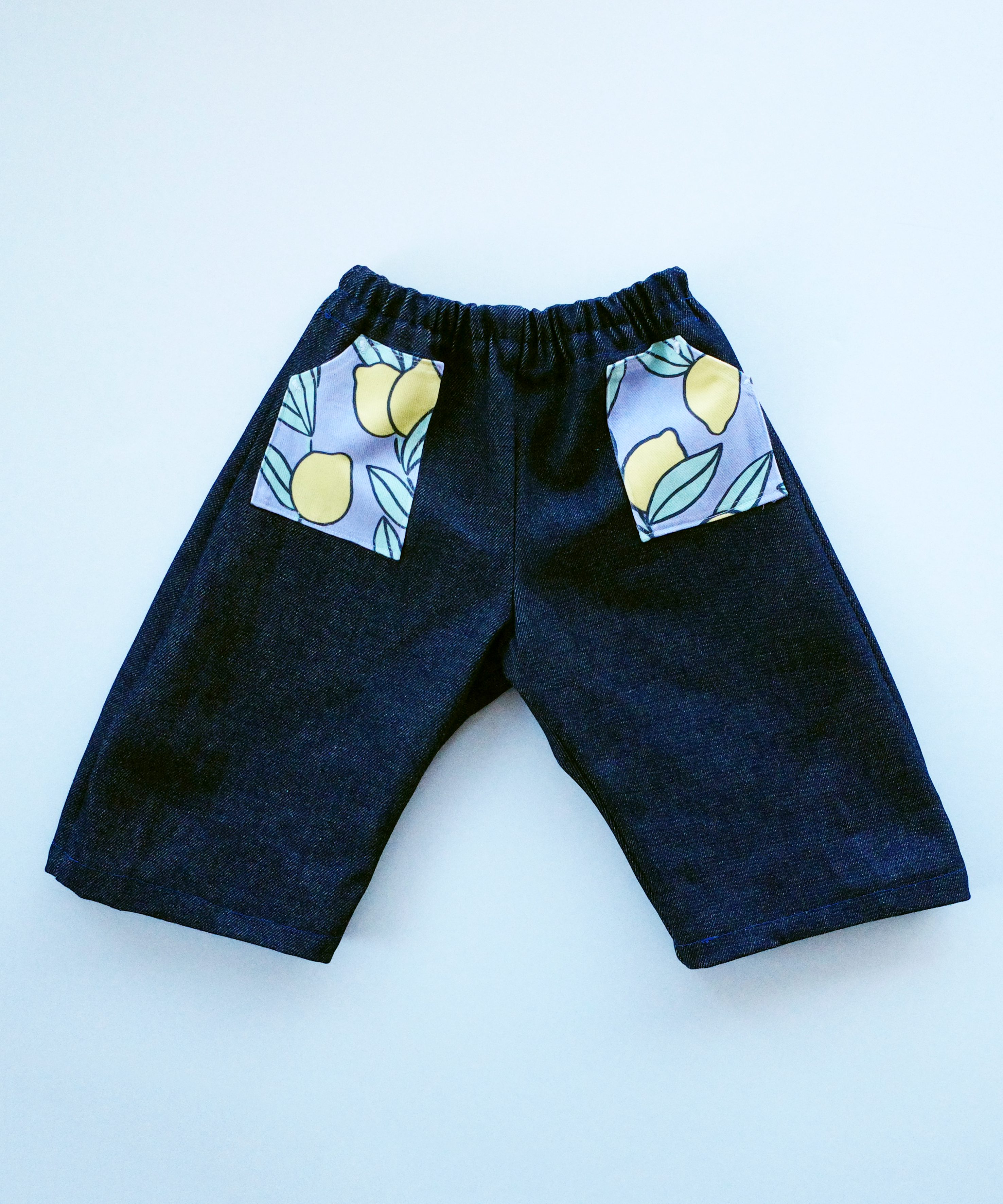
Colorful Bunch's Everyday Play Jean is useful here because it shows what this category can look like when the product details are concrete. The jean is made from 100% U.S.-grown cotton denim, uses a 13.75 oz fabric milled at Mt. Vernon Mills in Georgia, and is sewn in San Francisco. The fit is relaxed and slightly cropped, with an elastic waist that keeps the jean easier to wear than many rigid styles.
That is the kind of product bridge that makes sense in this topic. The jean is not a random add-on. It is an example of the exact qualities parents searching this question usually care about: real cotton denim, room to move, and enough structure to hold up over time.
If you are local, it also helps that you can feel the weight in person at Colorful Bunch's shop at 700 Lombard St, San Francisco.
Closing Thoughts
The best 100 cotton kids jeans are not the ones that win on first touch alone. They are the ones that still feel worth having after repeated washing, repeated wear, and repeated kid life.
Start with the fiber label. Then look at fit, fabric body, and construction. When all four line up, you have a much better chance of finding a pair that lasts longer and earns its place in the drawer.

Leave a comment